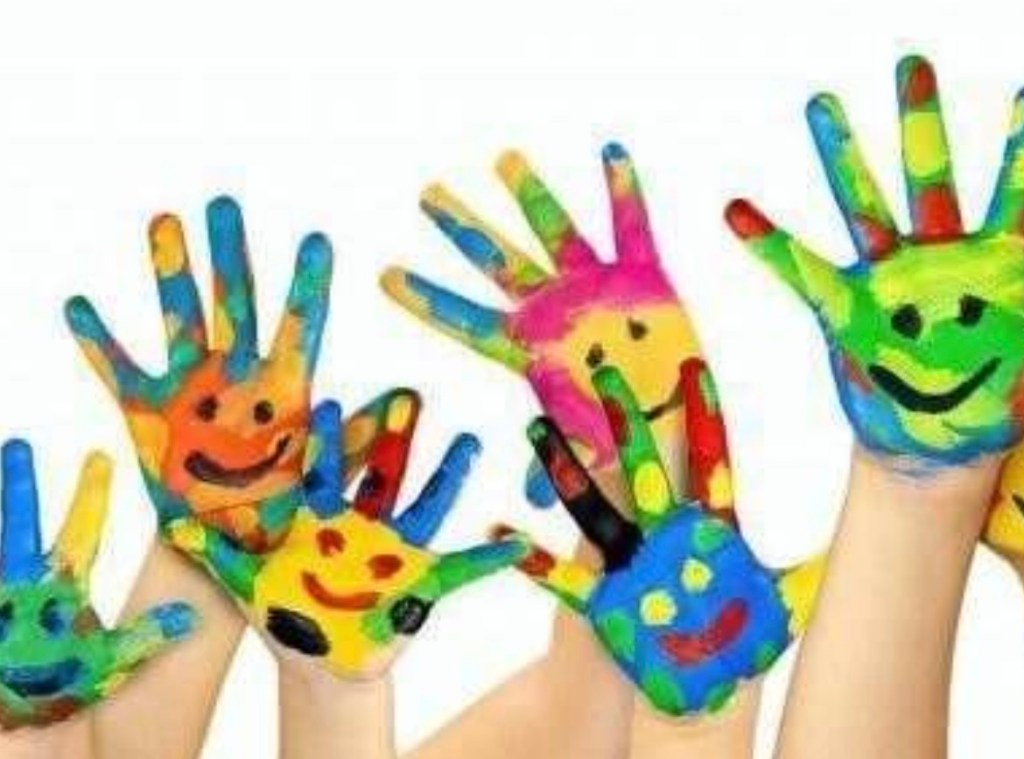
Albert Einstein once said that “play is the highest form of research”, and the more I reflect on early childhood, the more this feels true.
Through play, children are not simply passing time. They are rehearsing the world.
Long before formal learning begins, children learn through movement, exploration and interaction. Movement, in particular, plays a vital role in early development. It helps to unlock the brain for learning, allowing children to make sense of their environment through doing, not just being told.
At birth, the brain contains billions of neurones, but only a small number are connected — just enough for survival, such as breathing and digestion. The rest develop over time through experience. Experts believe that around 90 per cent of the brain’s neural connections are formed by the age of five.
This highlights just how vital the early years are.
And this is where play becomes essential.
Play is not separate from learning — it is how learning happens in the early years. Through play, children begin to develop skills that cannot be taught through instruction alone. They problem-solve, test ideas, explore language, navigate social situations and begin to understand risk.
When a child builds, they are learning about structure and balance.
When they role-play, they are making sense of relationships and the world around them.
When they negotiate with others, they are developing communication and emotional understanding.
These are not secondary skills. They are foundational.
Play also allows children to follow their curiosity. There is no single outcome, no fixed way of doing something “correctly”. Instead, children are free to explore, make mistakes and try again. In doing so, they build confidence in their own thinking.
Without this freedom, learning can become something that is done to children, rather than something they actively engage in.
It is easy, as adults, to overlook play because it can appear simple or unstructured. But beneath it sits complex cognitive and developmental work. It is where creativity begins, where ideas are tested, and where children start to understand both themselves and others.
Early years is not a waiting room for “real” education.
It is the soil in which identity grows.
If we want confident, curious adults, we must pay attention to how learning begins — not with pressure or performance, but with play.

 Rewritinglearning.com
Leave a comment